
Accurate relay testing is essential for maintaining smooth electrical performance in many systems. Using a multimeter correctly helps diagnose coil health and contact integrity quickly and safely. With the right approach, users can identify faults early, improve efficiency, and ensure reliable operation. Following a structured approach allows technicians and beginners alike to achieve consistent and reliable results during every test.
Understanding Relay Basics
A relay consists of a coil and contact points that work together to control electrical circuits. When the coil receives voltage, it generates a magnetic field that switches the contacts. Understanding this simple mechanism helps in effective testing. This foundational knowledge makes troubleshooting faster and reduces the chances of misinterpretation during measurement.
- Coil activates switching mechanism
- Contacts open or close circuits
- Multimeter measures resistance and continuity
Essential Multimeter Setup Tips
Before testing, ensure the multimeter is set to the correct mode. Proper setup improves accuracy and prevents incorrect readings. Ensuring correct configuration also enhances safety and improves the reliability of every reading obtained. Professionals rely on how to test relay with multimeter for precision.
- Use resistance mode for coil testing
- Use continuity mode for contact checks
- Ensure probes are clean and properly connected
- Disconnect power before testing
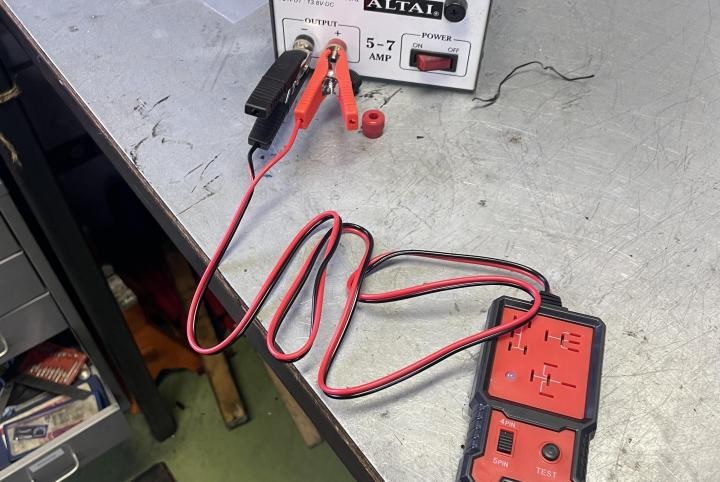
Testing Relay Coil Step-by-Step
Coil testing helps determine whether the relay is functioning properly. A healthy coil shows stable resistance within expected range. Careful coil evaluation helps prevent system downtime and supports long-term operational efficiency.
- Place probes on coil terminals
- Check resistance value stability
- Look for open or short circuits
- Replace relay if readings are abnormal
Checking Contact Points
Contact points are responsible for current flow. Testing them ensures proper switching performance. Accurate contact testing ensures smooth switching behavior and minimizes performance interruptions.
- Use continuity mode across contacts
- Activate coil to observe switching
- Ensure low resistance when closed
- Confirm no continuity when open
Common Best Practices
Following best practices improves testing accuracy and safety. These practices also promote safer handling and improve confidence during repeated testing tasks.
- Always test in a powered-off state
- Avoid touching metal probe tips
- Repeat readings for confirmation
- Keep workspace clean and organized
Additional Practical Tips
- Label relay terminals before testing
- Use stable surface during measurement
- Avoid moisture around electrical components
- Verify multimeter battery health regularly
- Double check readings for accuracy
- Keep documentation of test results
Final Benefits of Proper Testing
Regular relay testing helps maintain system reliability and prevents unexpected failures. It improves troubleshooting speed and supports efficient maintenance routines. Using a multimeter effectively ensures long-term operational safety and performance. Consistent testing habits contribute to long-lasting system performance and reduce unexpected maintenance needs.
Effective relay testing using a multimeter not only improves diagnostic accuracy but also strengthens overall system reliability in a wide range of applications. It empowers users to maintain electrical systems with confidence, ensuring consistent performance and reducing the likelihood of unexpected failures over time. This simple yet effective approach ensures dependable results for both beginners and experienced users. Clear understanding of measurement techniques reduces errors and enhances diagnostic clarity in every step of relay evaluation. With regular practice, users can quickly identify issues and maintain optimal performance across various electrical systems.
Categories: Business
